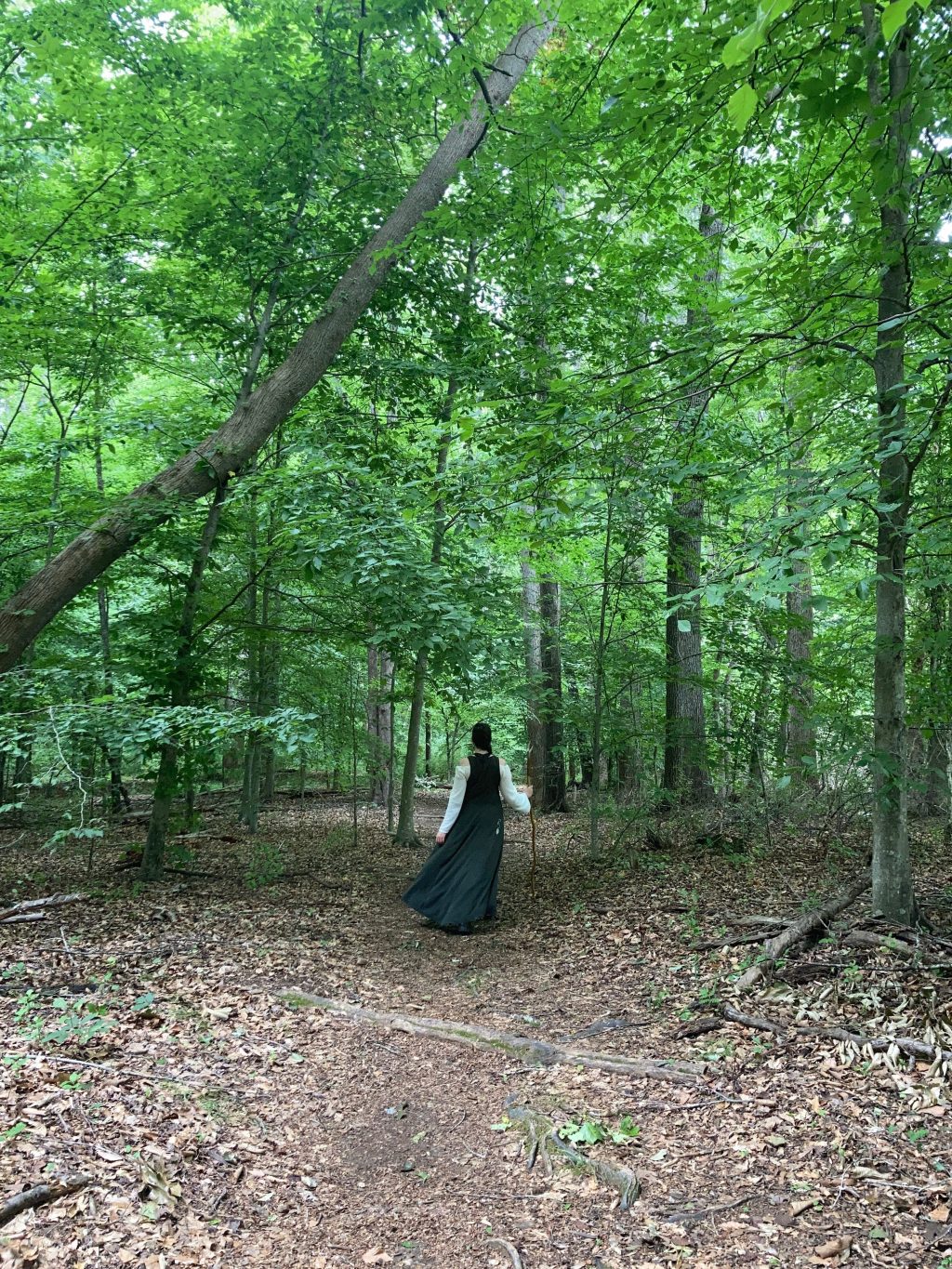
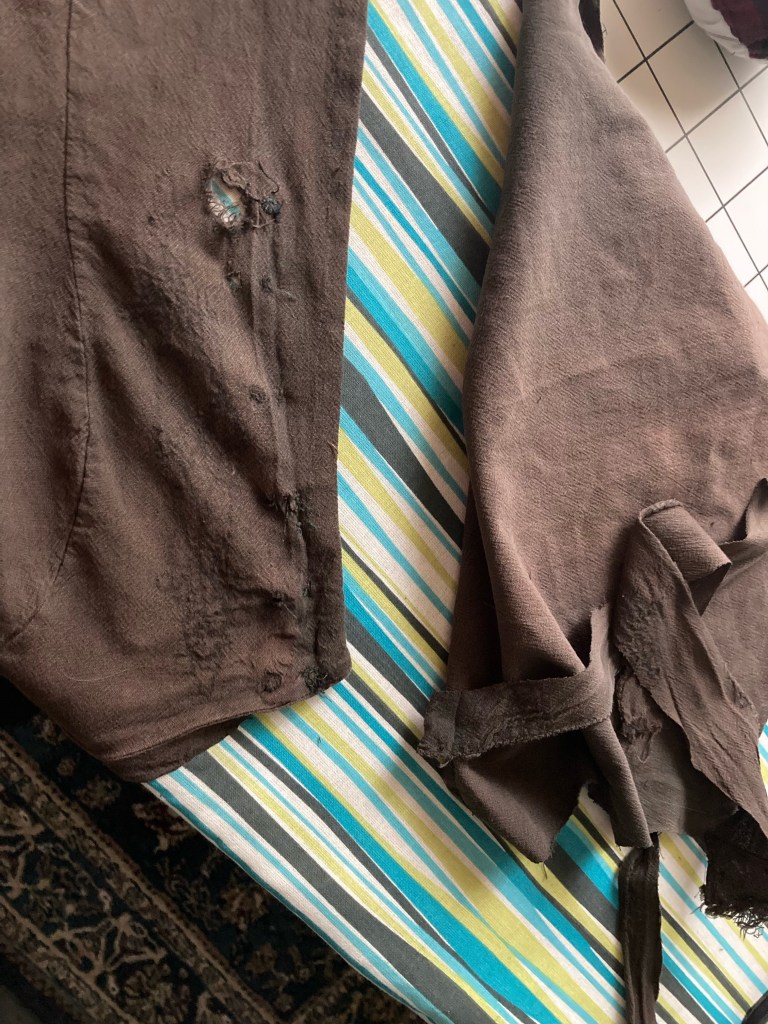
Why save a 20-plus year old hand-me-down dress handmade by my sister? Something that survived years of one then the other of us traipsing through the woods? Barbed wire snags, blown out elbows, seams coming apart, severe fading, and it hasn’t even fit in years. Why bother?
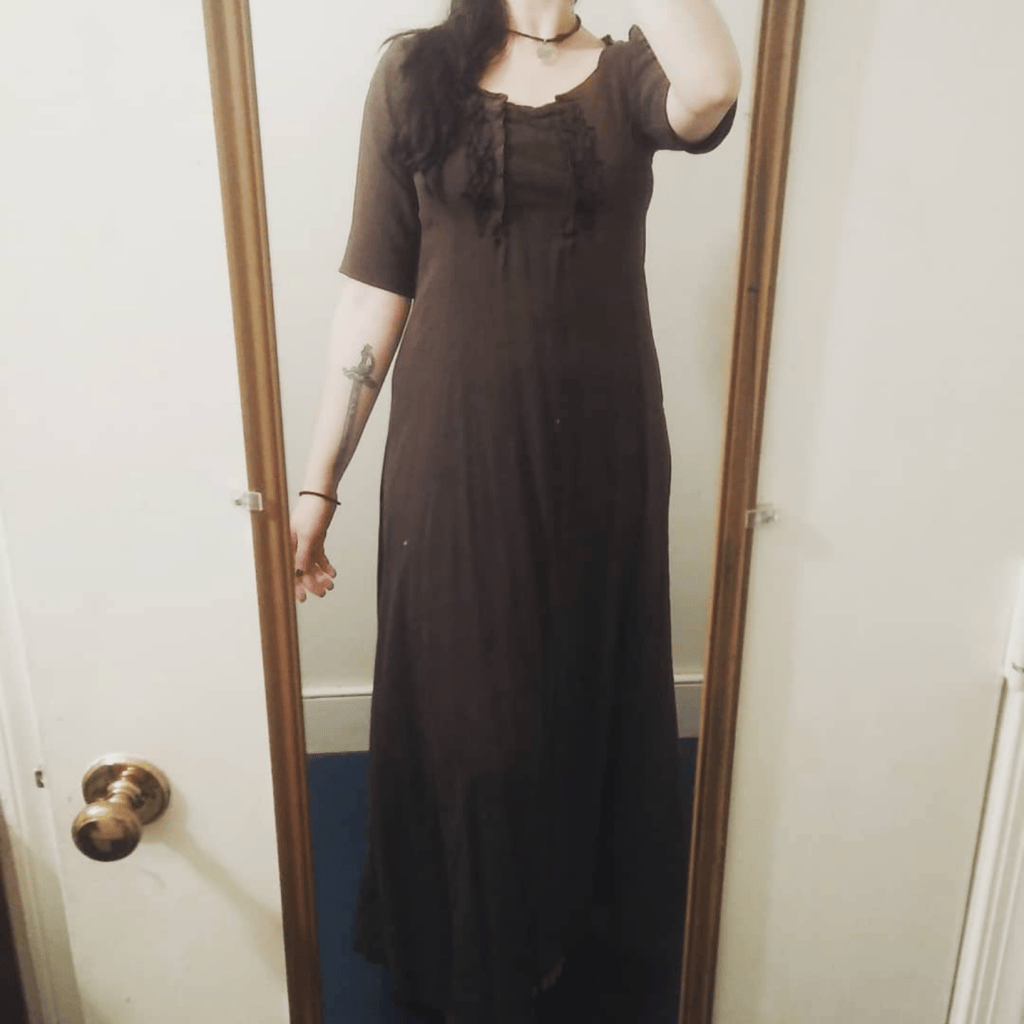
Because I can. No one else will, and it’s worth it to me to try. It echoes with a wild youth of running free in the woods and getting soaked wading across fields of knee-high grass in the rain. The ghost of that girl haunts me, and she wants to run free again. The least I can do is dress her properly.
Because I don’t want to say goodbye if I don’t have to.
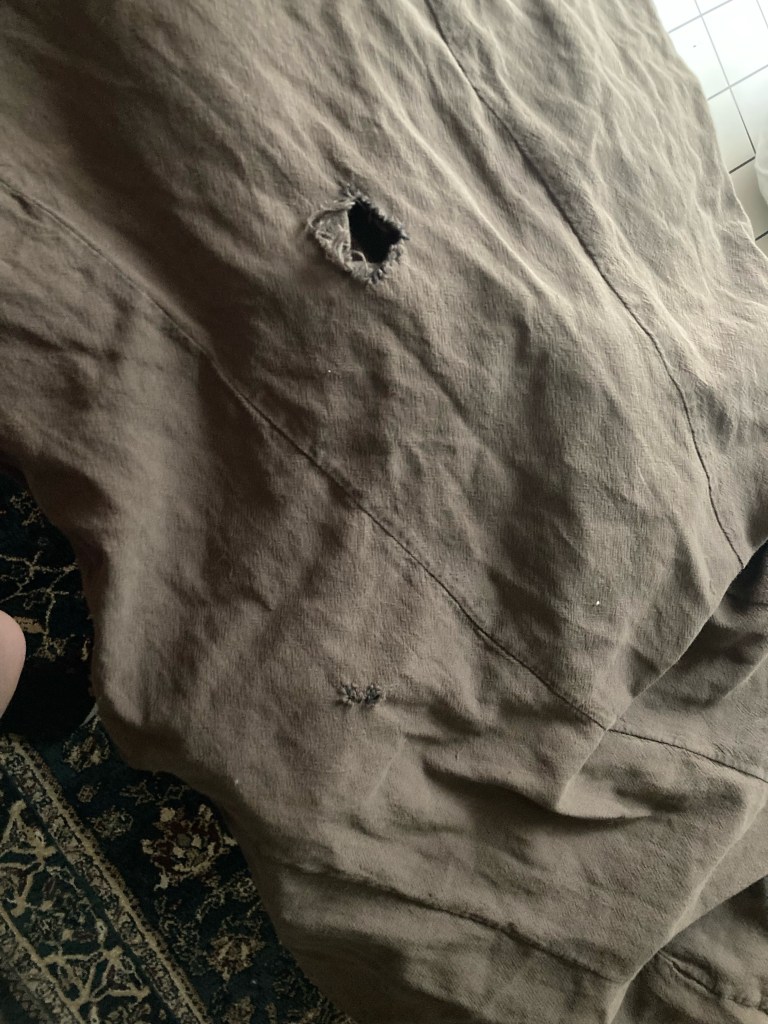
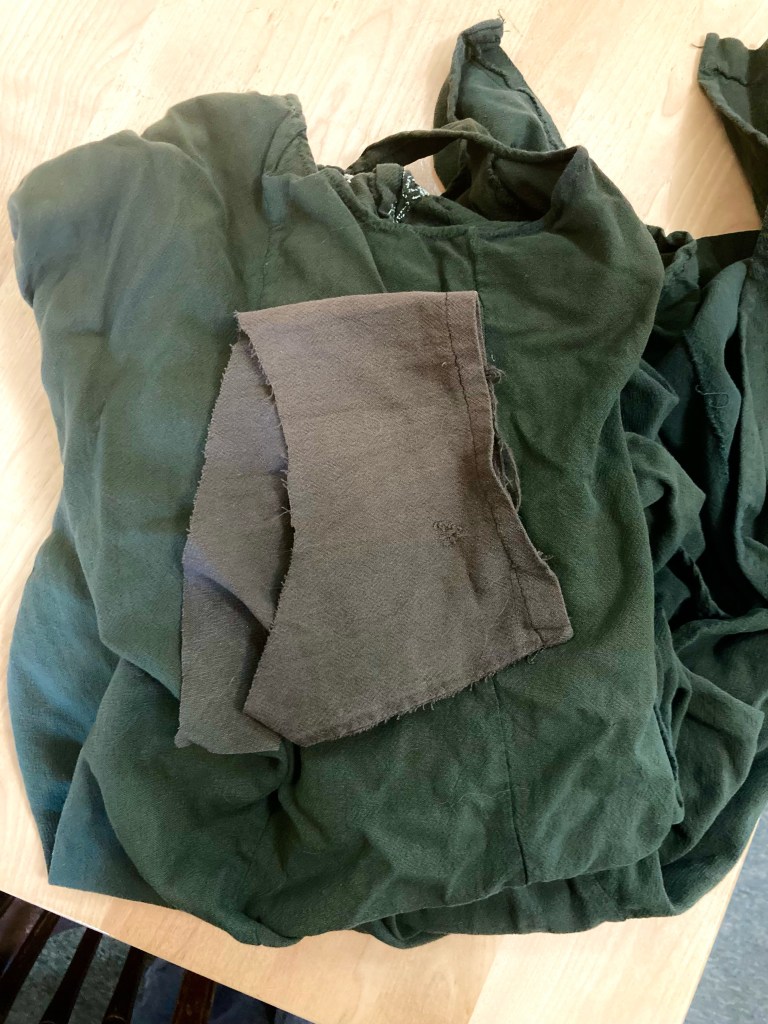
Because I want to see if I can. Will enough Rit dye, remodeling, bodice panels from sleeve scraps, better finishing on the seams, and visible mending with embroidery turn this wreck into something I’m excited to wear again?
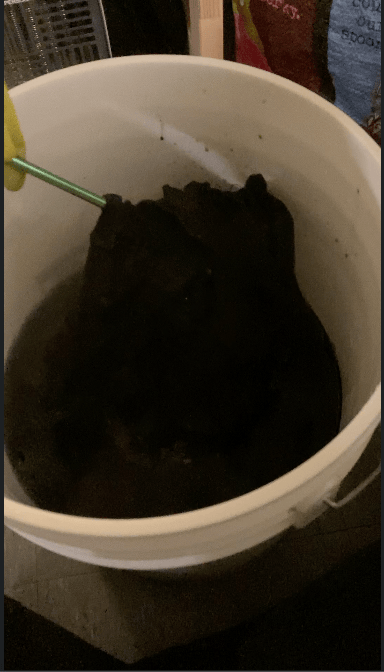
Because in a world of nauseating volumes of textile waste and wear-it-once fast fashion habits, I want to walk honourably in something where I can say it has remained relevant for almost my whole life. I want to embody my values of slow fashion and reuse. I hope to show how we may evolve in our lives but that doesn’t mean we have to throw everything out and start over. Old can become new again. Damage, changing bodies, changing identities, and faded fabric do not have to be a landfill sentence.
More than enough clothing to dress the world is made every year, in a system more concerned with production and profit than actually meeting the needs of the people. Many of these clothes end up destroyed to hide the overproduction, or in landfills with the tags still on. In the textile dumps in the Atacama desert (where they then get burned). Going through secondhand markets only to end up thrown away anyway, then washed into the ocean to choke the shores of places like Ghana. Most of it is made of plastic. The cost of our consumption may be invisible to us, but someone still pays the price. Nothing just “goes away” when we’re done with it and donate or throw it away.
I’m not saying that was never me. I didn’t know any better, and I didn’t have the skills to do better. It takes time and practice. I had to start somewhere. We can thrift when we want something new, we can reuse and restyle and give away to our friends, we can repair, we can make for ourselves. Starve the machine of consumption and feed the soul of creativity.
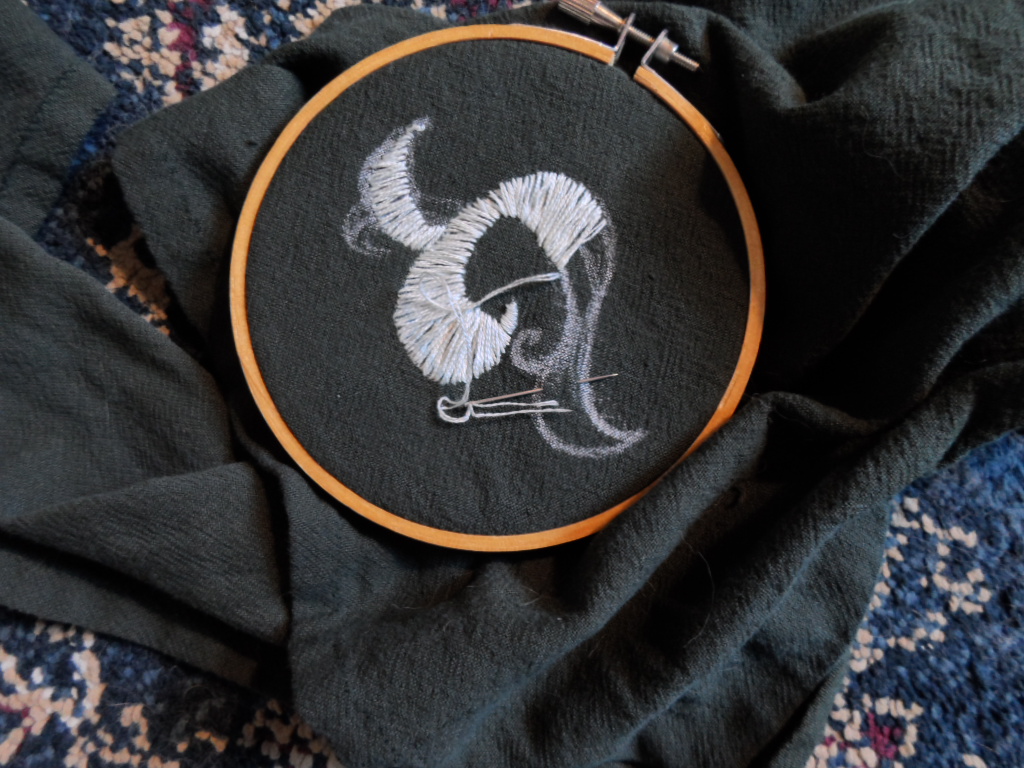
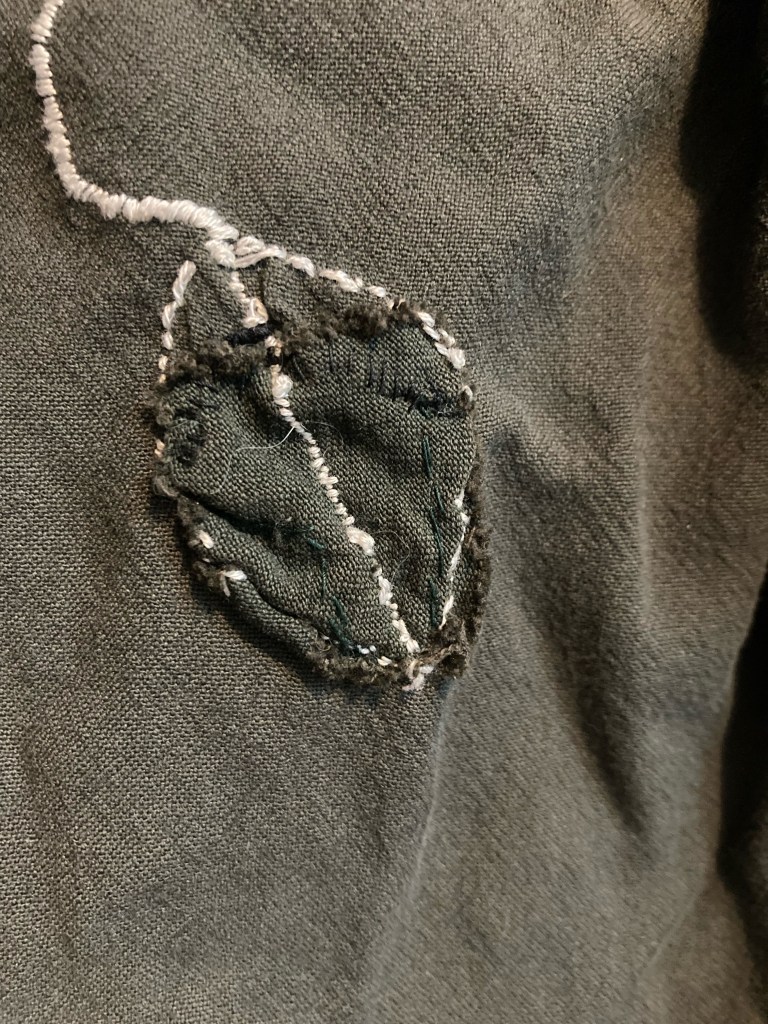
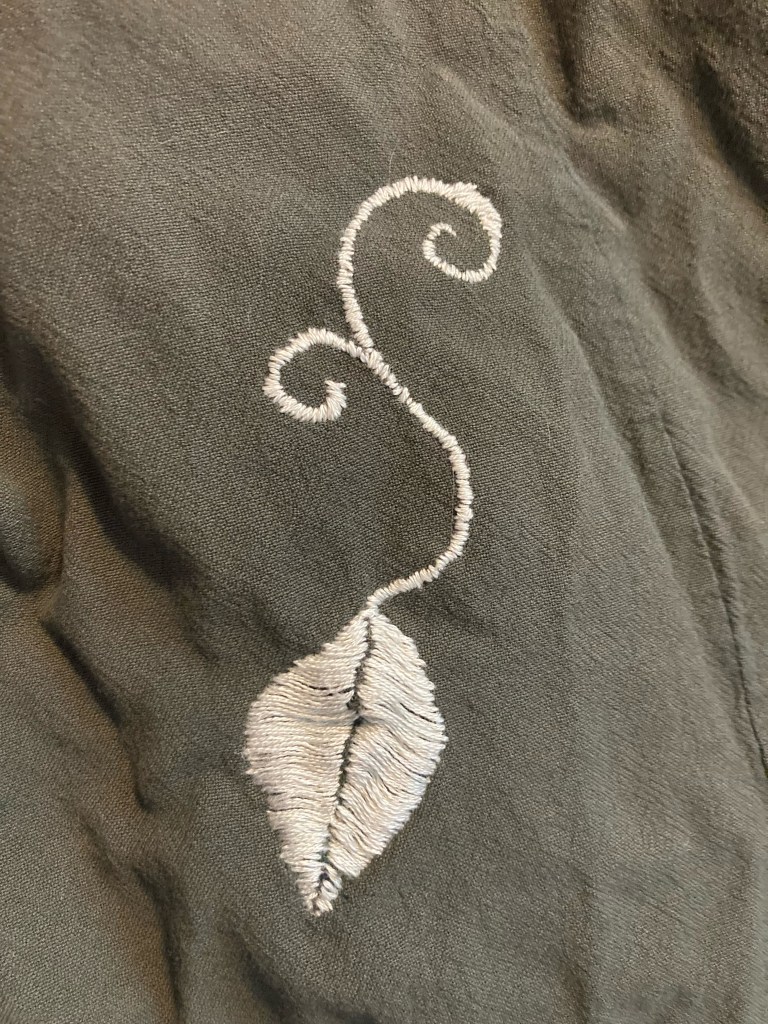
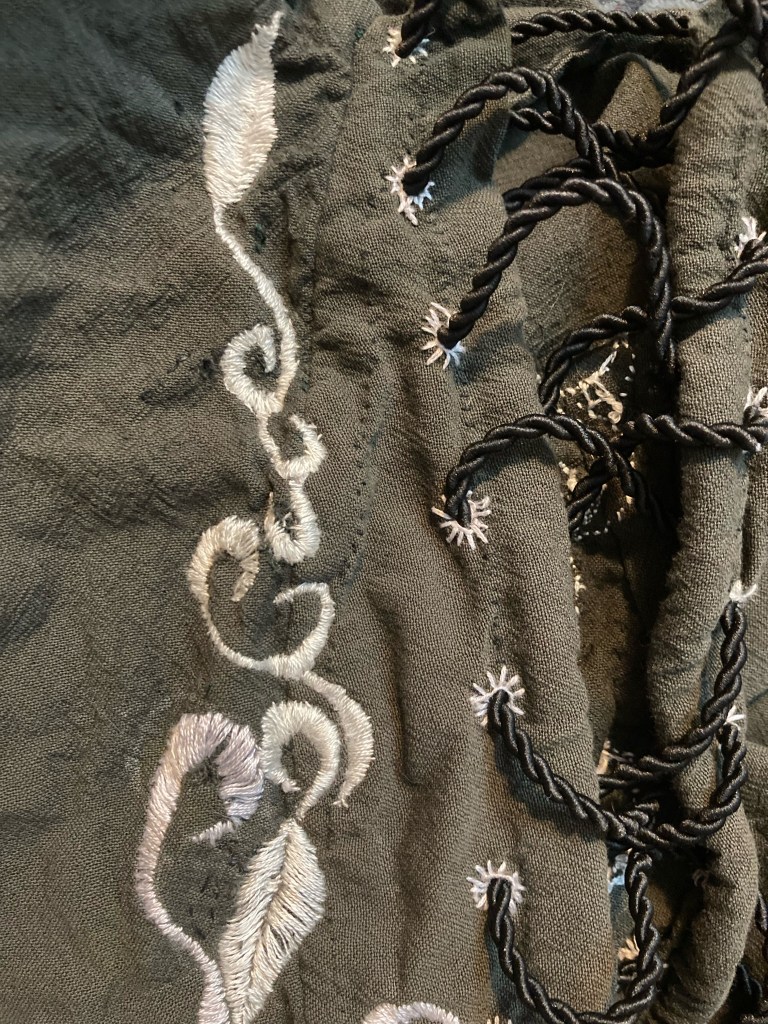
So why save a 20-something year old dress?
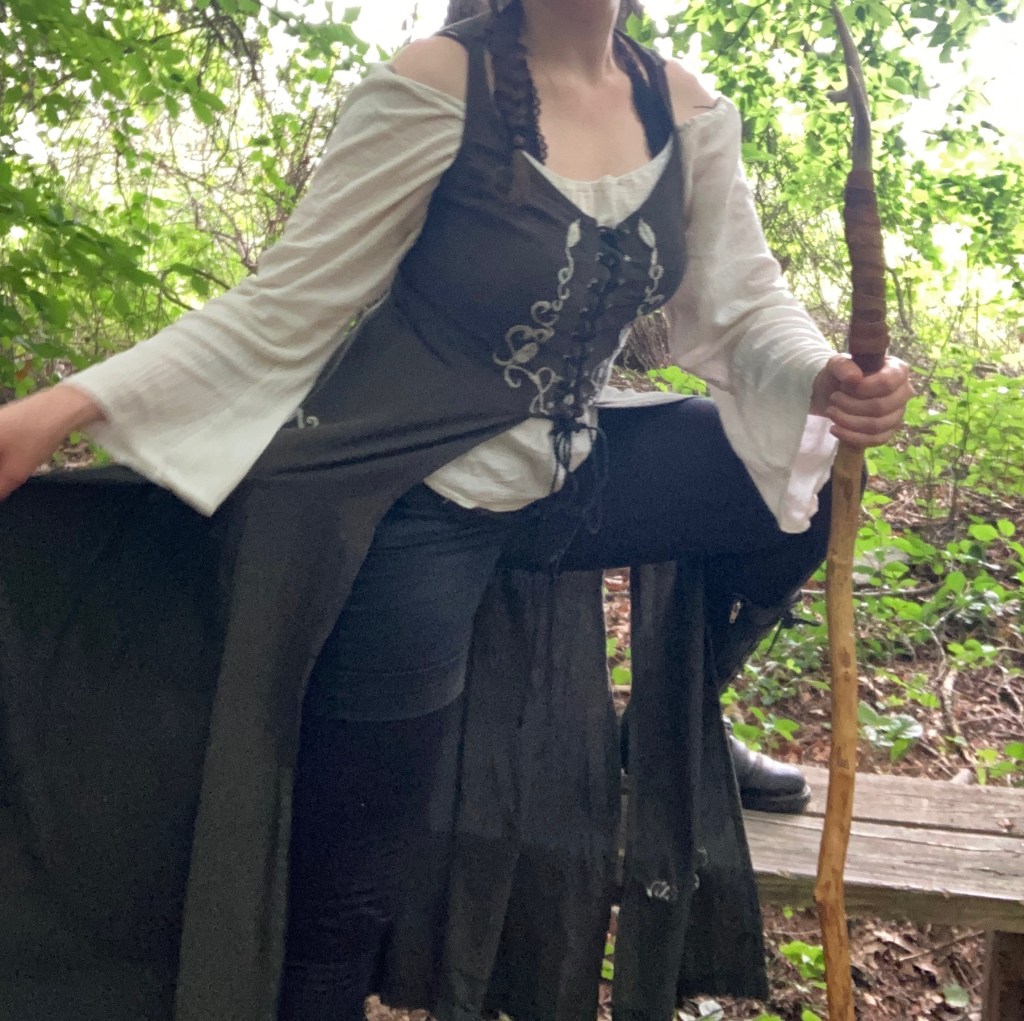
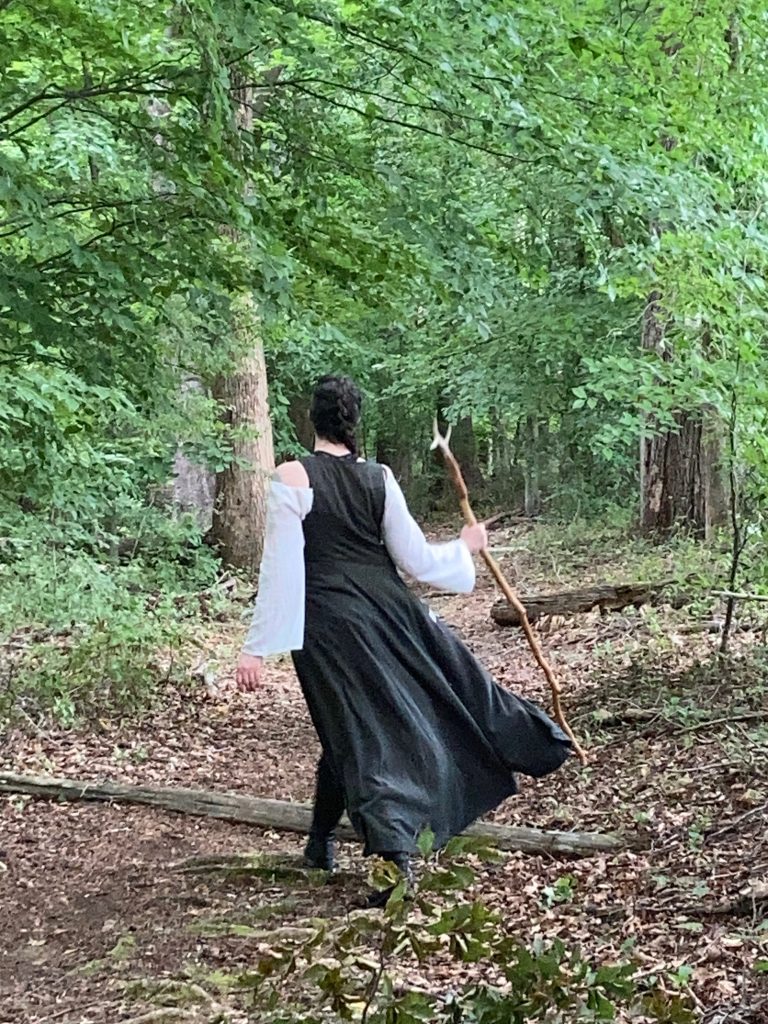
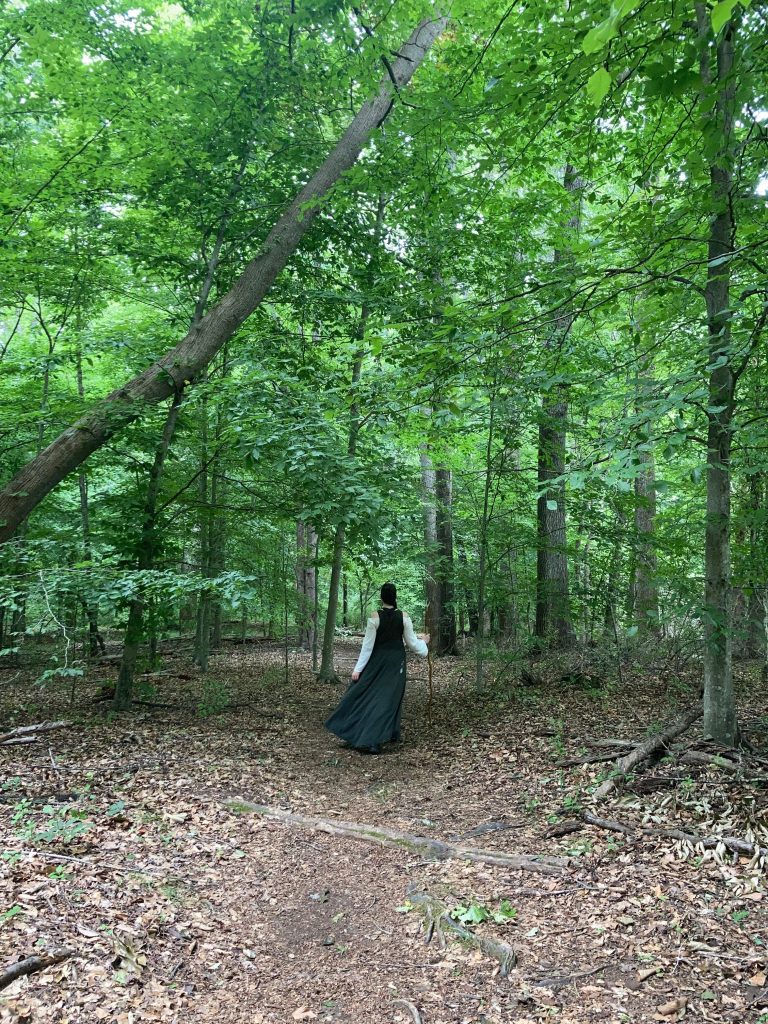
Because I love it. Because I want to live in a better world. And that starts with my choices.
What will you craft to change your world?


Leave a Reply